How Solar Panels Work: Step by Step

Answer the questions below to start your quote
Rooftop solar panels installs are now a familiar sight on homes across the UK.
However, fewer people understand the science and engineering that turns normal daylight into electricity.
Here is a clear, step-by-step breakdown of how solar systems capture light, generate power, and run a modern home energy ecosystem.
Step 1: Photons meet silicon (the photovoltaic effect)
The process begins with the sun, which showers the Earth with packets of light energy called photons. Even on a grey, overcast British day, billions of these photons reach your roof.
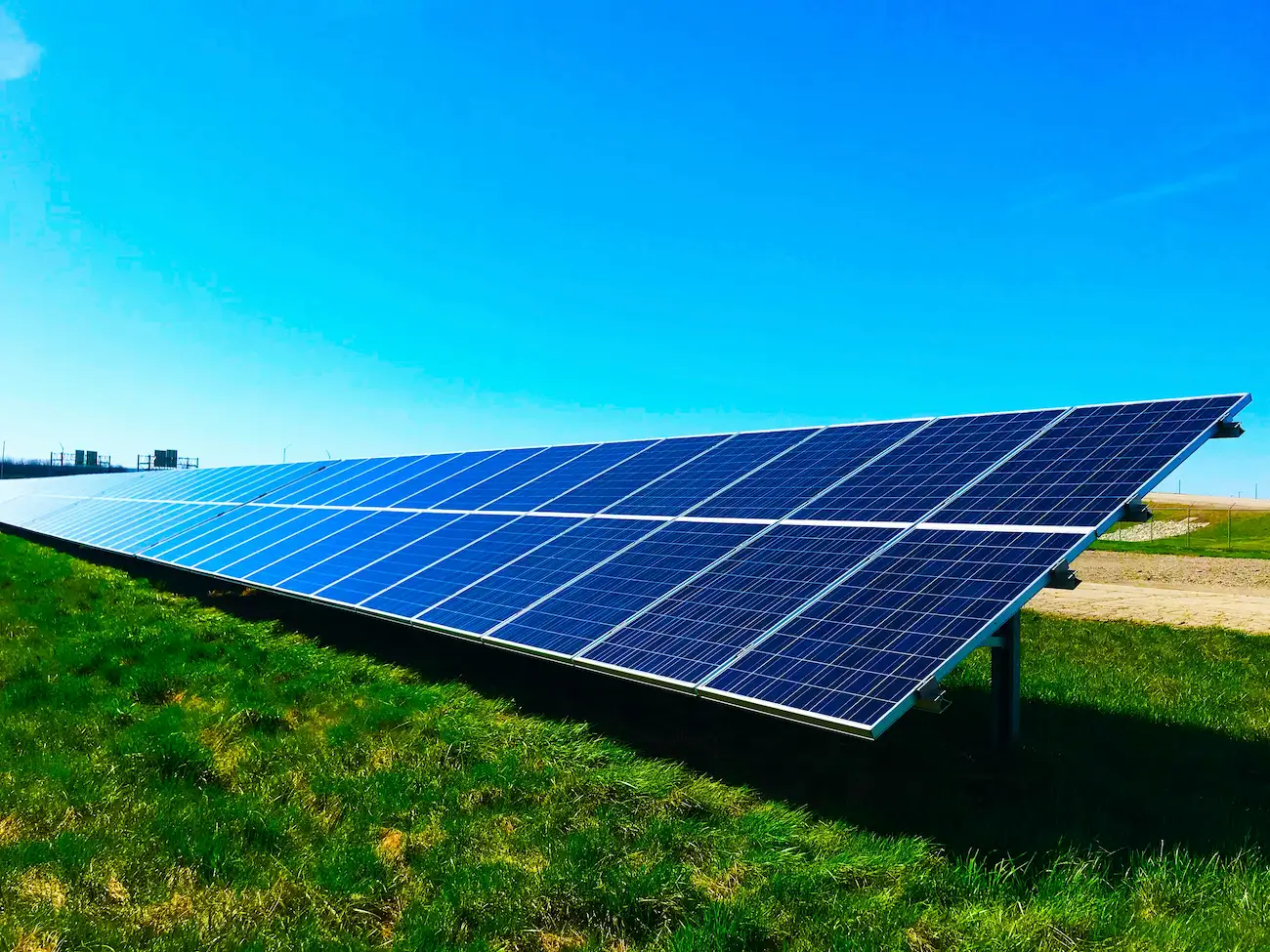
A solar photovoltaic panel is made of multiple solar cells connected together. Each cell is constructed using thin layers of a semi-conducting material, typically silicon.
To create an electrical field, manufacturers treat these layers with specific materials to give them opposite electrical charges. The top layer is treated to have a negative charge, while the bottom layer is given a positive charge.
When photons hit the top layer of the solar cell, their energy knocks electrons loose from the silicon atoms. Drawn by the opposite charges of the electrical field, these loose electrons shift from the top layer to the bottom layer. This controlled movement of electrons is the foundation of electricity.
Step 2: Generating direct current (DC) electricity
As those loose electrons flow through the electrical field in a single, continuous direction, they create a Direct Current of electricity.
This raw DC electricity is collected by thin metal fingers and busbars woven across the surface of the solar cells. From there, the power flows out of the individual modules and travels down heavy-duty, weather-sealed cabling toward the heart of your home energy system.
Read more: The Benefits of Solar Panels
Step 3: Conversion in the inverter (DC to AC)
While solar panels produce Direct Current, almost all UK household appliances, lighting, and the national grid operate on Alternating Current. AC electricity reverses its direction of flow dozens of times per second.
To bridge this gap, the DC electricity from your roof must pass through a crucial device called an electrical inverter. The inverter’s job is to convert DC power into safe, usable AC power.
Historically, standard solar systems used a single central string inverter. Today, premium installations often utilize high-quality hybrid inverters or micro-inverters.
Modern designers also utilize a technical strategy known as the “120% rule.” This strategy involves oversizing the total DC power capacity of the solar panels compared to the AC rating of your inverter.
By installing more panel power on the roof, you ensure that the inverter runs at its peak capacity for more hours of the year. This significantly boosts system generation during grey winter months when photons are scarce.
Step 4: Powering your home and storing the surplus
Once the inverter outputs AC electricity, the power enters your home’s main consumer unit.
From there, it immediately works to run your active household baseload. It powers everything from your fridge and internet router to your washing machine.
If your panels are generating more electricity than your home is actively consuming, this clean energy does not go to waste. In a modern integrated system, this surplus power is automatically redirected to do three things:
1. Charge a home battery system
Adding a home battery—such as a Tesla Powerwall 3, Fox ESS, or SigenStor—lets you store daytime generation to use during the evening or overnight. Batteries can also act as an emergency backup.
Using a backup gateway, a battery can keep your home fully powered during a local grid outage.
2. Power a smart EV charger
Electric vehicles require a lot of power. UK-designed smart EV chargers, like the myenergi Zappi, communicate directly with your solar array.
The charger can actively monitor your roof’s generation and route surplus solar energy straight into your car’s battery. This ensures you are driving on 100% free, green electricity.
3. Export to the National Grid
If your home batteries are full and your car is charged, any remaining excess electricity is exported back to the national grid. Under the UK’s Smart Export Guarantee, energy suppliers pay you a set tariff for every unit of clean energy you send them.
When you combine lower home bills, smart EV charging, and export payments, the savings quickly add up. Homeowners utilizing optimized smart tariffs can cut their annual energy bills by up to 75% while operating a completely clean home.
Debunking the weather myth: Do panels work in winter?
A common misconception is that solar panels don’t work in the winter.
In reality, solar panels rely entirely on light, not heat. In fact, like most electronic devices, solar panels actually run more efficiently in cold, crisp temperatures than in blistering heat.
Even during a frosty British winter, standard daylight is more than enough to generate power. Snow and frost will naturally slide off the glass surface of angled panels as the day warms up, allowing them to resume generation.
The UK is exceptionally well-suited for solar power. According to the Met Office, recent years have broken double records for sunshine hours, demonstrating that UK daylight is a powerful domestic resource.
On summer peaks, solar has met more than 40% of the entire UK electricity demand.
Read more: 6 Solar Facts That Will Change How You Think About Energy
The value of system quality and certification
When designing a solar system to return value for 25 to 40 years, the quality of the components and the installation matters.
Some buyers select premium monocrystalline Maxeon cells. While cheap imports have driven down average panel costs globally, premium Maxeon models are designed to generate up to 60% more energy over 25 years than standard industry alternatives.
They also come backed by an industry-leading 40-year power, product, and service warranty.
To protect your investment and ensure maximum home resale value, your system must be installed by a fully certified professional.
In the UK, this means working with installers aligned with the upcoming MCS 2025 standards. These rigorous standards guarantee installation quality, consumer protection, and seamless integration between your solar, battery, and EV charging hardware.
Read more: Do Solar Panels Increase Your Home’s Value?
Part of a national green grid
Rooftop solar is no longer a niche home improvement; it is standard UK infrastructure policy. The UK government’s Clean Power Action Plan aims to nearly triple the country’s installed solar capacity to over 45 gigawatts by 2030.
We can see the scale of this transition close to home. The Cleve Hill Solar Park in Faversham, Kent, is the UK’s largest operational solar farm, generating 373 megawatts across 550,000 panels.
Whether generating power at a utility scale in Faversham or on a residential roof, the fundamental science remains identical.
Every hour, the sun provides thousands of times more energy than humanity uses. By installing a high-quality solar PV system on your home, you take control of your energy future, lock in a lifetime of savings, and contribute directly to a cleaner tomorrow.